FogLab
IN-HOUSE INSTRUMENT · DESIGN STAGEBuild the proving ground.
A controlled platform for comparing fog collection and optical visibility. Build the measurement that tells us what works.
Optics · droplets · flow · energyExplore FogLab ↗

Fields. Matter. Water. Life.
We investigate how physical forces and living systems can change water in the air. Our first proving ground: FogLab.
In-house instrument in development. The experiments come next.
Airports. Critical facilities. Roads. Ports. Cooling water. Energy. Start with a scoped study, a measurable question and the evidence for your next decision.
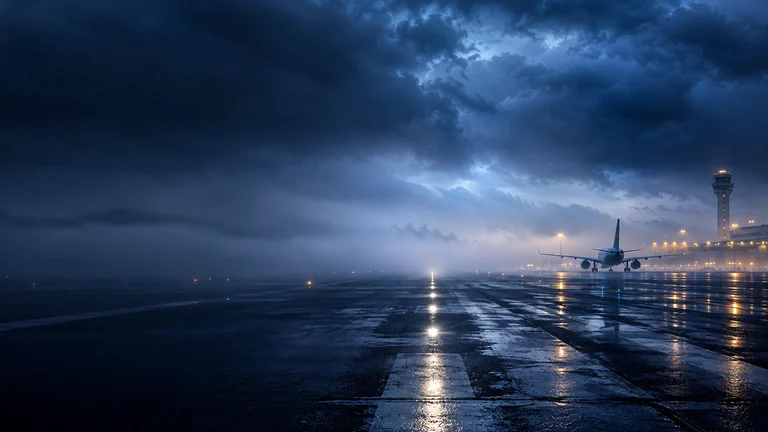
Where does weather constrain your airfield—and what evidence would justify the next step?
Explore the program ↗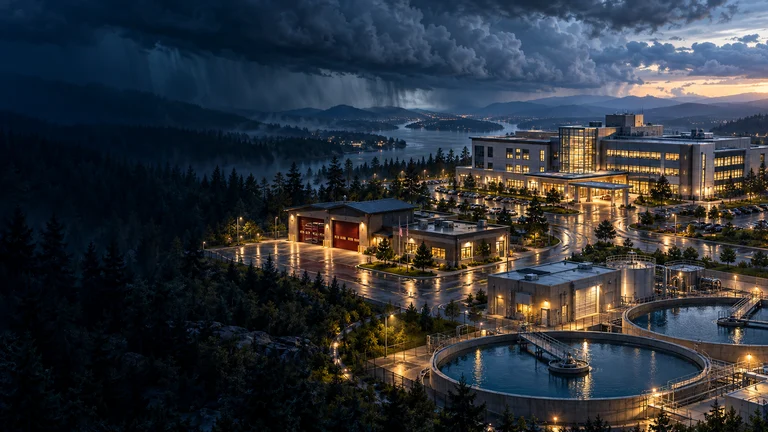
Which facilities have the most consequential unresolved readiness gaps—and who owns the next action?
Explore the program ↗
Are the observations reliable and representative enough for the decisions this corridor needs?
Explore the program ↗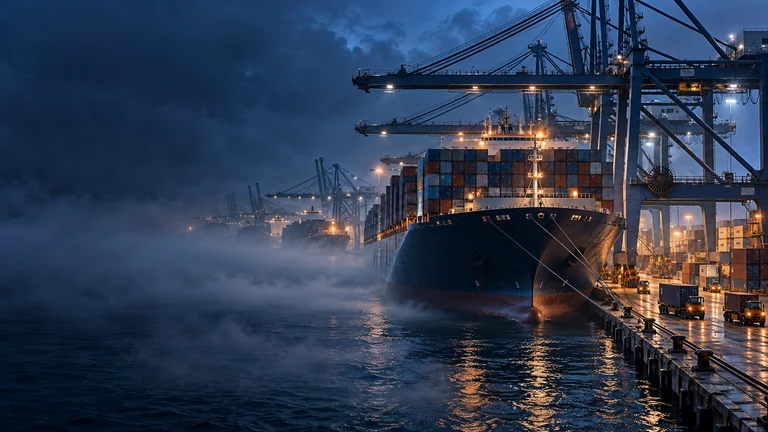
Where do fog, unreliable observations and readiness gaps create a decision the terminal cannot answer well today?
Explore the program ↗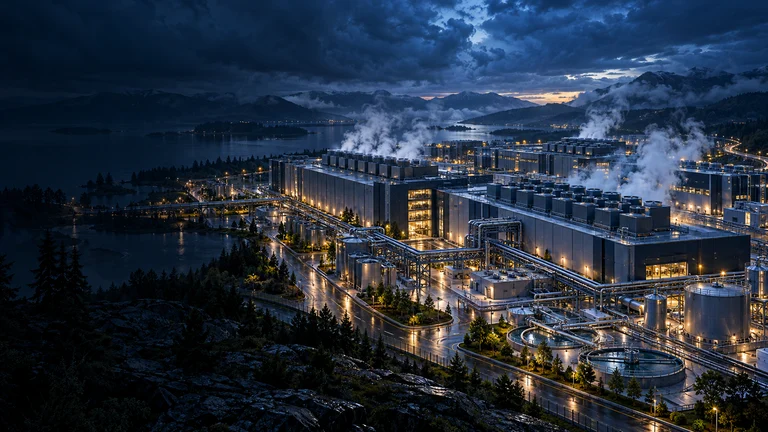
Where does the water go, what is constrained, and which improvement is worth testing at this site?
Explore the program ↗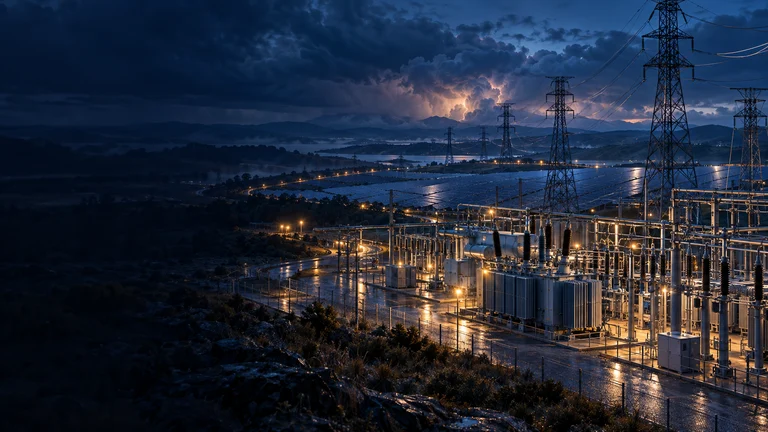
Which weather inputs or readiness controls lack the evidence needed for this asset’s operating requirement?
Explore the program ↗Build the instrument. Measure the effect. Find the application. Our current programs connect atmospheric research to visibility, water recovery and controlled deposition.
Build the proving ground.
A controlled platform for comparing fog collection and optical visibility. Build the measurement that tells us what works.
Put fog water to work.
Investigate fog as a supplemental water source, starting with the local resource, a passive baseline and water delivered to storage.
Change where water lands.
Test the idea of directing fog water into a defined receiver. The question is how much water arrives, and what it costs to get there.
Development programs, with different questions and stages. No Weatherhill hardware results or commercial field deployments are claimed.
Go inside the mechanisms with four explainer films, interactive models and detailed chapters on fog, water and readiness.
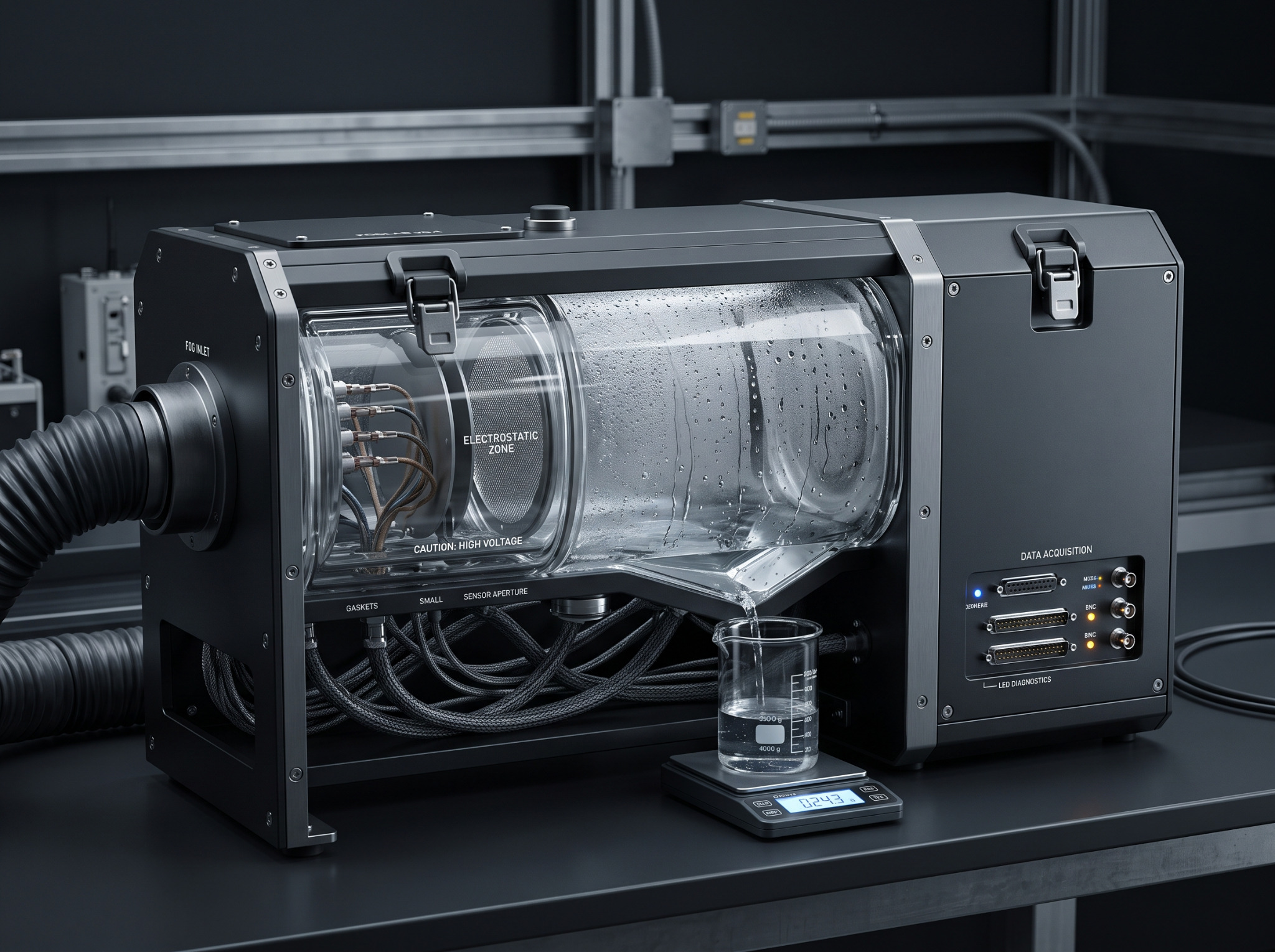
FogLab is the instrument behind the first experiment: compare an electrical collector with the identical collector switched off, and measure what changes.
We track collected water and optical visibility separately. That distinction matters to both a water-recovery system and a sensor looking through fog.
Developing a camera, lidar or optical instrument? Help shape a FogLab test around the fog conditions and performance question that matter to your team.
FogLab is in development. We are gathering requirements for future tests; testing is not yet available to book.
Tell us your wavelength, optical path, sensor footprint and target fog range.
The planned platform will characterize optical extinction, droplet size and airflow alongside sensor response.
Set the baseline, repeatability target and useful output before choosing a test.
15 working tools for optics, airflow, energy and experimental design. Explore an assumption, inspect the method and export your result.
Adjust transmission across a 10 m optical path to explore the inferred extinction and 5% optical range.
A homogeneous attenuation model. Wavelength-specific range unless the WMO spectral requirements are met.
Open the complete tool ↗Compare number, water mass and approximate extinction across wet droplet sizes.
EngineeringKeep air throughput, recovered water and electricity in the same ledger.
ExperimentsAnalyze transit-aligned upstream/downstream means across independent days.
A surface. A field. A pulse of light. A living system. Our research direction connects these mechanisms to water, phase changes and the atmosphere.
Fog is the first experimental focus. The discovery map stays broad.
Explore the Atlas →Explore 280 papers and preprints across 11 research fields. Follow original sources and scoped evidence notes.
Notes on the evidence, corrections and decisions shaping the first experiment.
A real research lineage to include in the evidence map and patent review. Its aircraft methods and spray measurements have a specific relationship to FogLab.
Read the note ↗A collector can change the water balance and the optical signal by different amounts. A visibility product has to measure both.
Read the note ↗The D/C comparison asks whether electrical operation adds an optical benefit to the same collector under matched conditions.
Read the note ↗We’re developing the scientific team and measurement capabilities for the first build. Explore research collaboration or the founding-scientist program.
$1M annual base · $10M+ potential contribution award.
Proposed terms for selected founding-scientist appointments, subject to funding and written terms. The award is a separate potential contribution-based plan; neither employment nor an award is guaranteed. See the careers page for the full conditions.
Google Analytics helps us understand which pages are useful. Without analytics cookies, Google still receives limited cookieless measurements and consent signals. Cookies are used only if you allow them. Every tool and paper is available either way. Privacy details